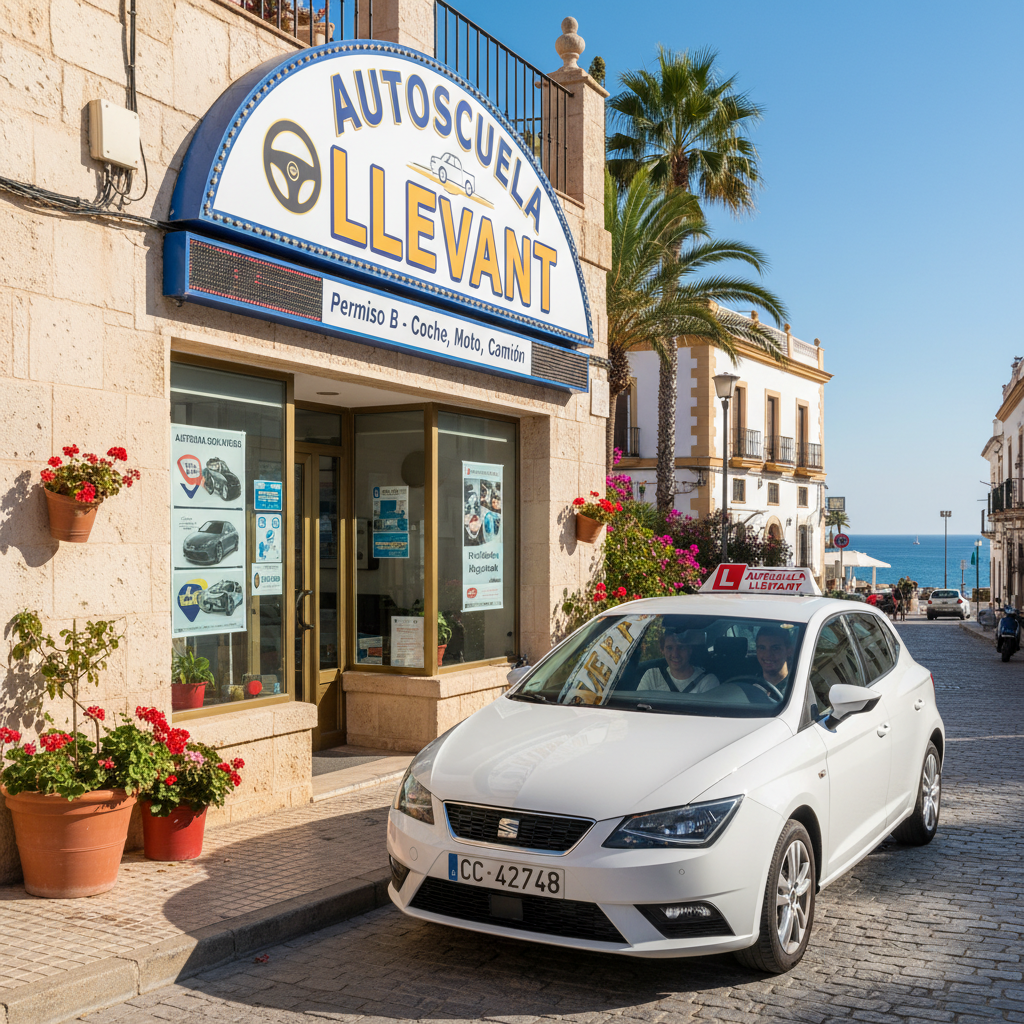
Finding a driving school in Spain that genuinely supports English-speaking students is one of the most important decisions you will make in your journey to getting a Spanish driving license. The right autoescuela can make the difference between a smooth, well-organized experience and a frustrating one filled with miscommunication and wasted money. After years of working with expats across Spain, I have seen both excellent and terrible experiences, and the difference almost always comes down to choosing the right school from the start.
What to Look for in a Driving School as an English Speaker
Not every autoescuela that claims to offer English support actually delivers on that promise. Some schools might have one staff member who speaks basic English but no translated study materials. Others may offer full English-language support including theory classes, translated practice tests, and bilingual instructors for practical lessons. Understanding what level of support you actually need and what the school actually provides is crucial.
The most important factor is whether the school has a proven track record of successfully guiding English-speaking students through both the theory and practical exams. A school that has done this many times will know exactly how to register you for the English version of the theory exam, will understand the specific challenges English speakers face with DGT questions, and will have systems in place to support you throughout the process.
- Bilingual staff who can handle administrative tasks and communicate clearly about scheduling and requirements
- Access to English-language theory study materials, whether their own or through a recommended platform like SpanishDrivingTest.com
- Experience registering students for the English-language version of the DGT theory exam
- English-speaking or bilingual practical driving instructors
- Clear pricing with no hidden fees, presented in a language you fully understand
- Positive reviews or testimonials from other English-speaking students
Questions to Ask Before Enrolling
Before you hand over any money or sign any contracts, have a detailed conversation with the school. If possible, visit in person so you can gauge the level of English spoken by the staff and get a feel for the environment. Here are the key questions every English-speaking candidate should ask.
- How many English-speaking students have you helped pass the theory exam in the last year?
- Do you provide theory study materials in English, or will I need to find my own?
- Will you guarantee that my exam is registered in English with the DGT?
- Do you have English-speaking instructors for practical driving lessons?
- What is the total cost including enrollment, theory preparation, exam registration, and practical lessons?
- What happens if I fail the theory exam - are there additional fees for re-registration?
- How long is the typical wait time for an exam date in this province?
- Can I see a copy of the enrollment contract in English before signing?
Never sign a contract you cannot fully understand. If the school only provides contracts in Spanish and you are not confident in your Spanish reading ability, ask for time to have it reviewed by someone who can translate it for you. A reputable school will not pressure you into signing immediately.

Typical Costs and What Is Included
Driving school pricing in Spain varies enormously depending on the city, the school, and what is included in the package. Understanding the typical cost structure helps you compare schools fairly and avoid unpleasant surprises later.
Most autoescuelas offer package deals that bundle enrollment, theory preparation, exam registration, and a set number of practical driving lessons. A typical all-inclusive package in a major city costs between 700 and 1,200 euros. However, some schools offer a lower upfront fee for theory-only packages, which might range from 200 to 400 euros, with practical lessons charged separately at 30 to 50 euros per session.
Be aware that the DGT exam fee of approximately 94 euros is sometimes included in the school package and sometimes charged separately. The medical certificate, which costs 30 to 60 euros, is almost always a separate expense. Make sure you get a clear written breakdown of exactly what is and is not included in any price you are quoted.
Watch Out for Hidden Fees
Some schools advertise low initial prices but then charge extra for things you would reasonably expect to be included. Common hidden charges include administrative fees for exam registration, charges for transferring your file if you want to switch schools, fees for additional theory study sessions beyond a basic allocation, and surcharges for scheduling practical lessons at specific times. Ask about all of these upfront.
Cities with the Best English-Language Support
The availability of English-friendly driving schools correlates strongly with the size of the expat community in each city. Here is an overview of the major areas where English-speaking students tend to have the best options.
Barcelona
Barcelona has one of the largest expat populations in Spain, and the driving school market has responded accordingly. You will find multiple autoescuelas that actively market to English speakers, and some that are essentially run in English with Spanish as the secondary language. The competition between schools here tends to keep prices reasonable and service quality high. However, wait times for DGT exam slots in Barcelona can be among the longest in Spain due to high demand.
Madrid
As the capital and largest city, Madrid has plenty of driving schools with English-speaking staff. The international business community here means there is consistent demand for English-language driving test support. Schools in central Madrid tend to be more expensive than those in outer neighborhoods or satellite towns, but the level of English support is generally higher in the central areas.
Valencia, Malaga, and the Costa del Sol
The Mediterranean coast attracts a huge number of British, Irish, and other English-speaking expats, particularly retirees and remote workers. Valencia has seen a boom in English-friendly autoescuelas in recent years. Malaga and the broader Costa del Sol region have long-established expat communities, and driving schools there are well-practiced at handling English-speaking students. The smaller towns along the coast may have fewer options, but cities like Marbella, Fuengirola, and Torremolinos all have schools that cater to English speakers.
Alicante and the Costa Blanca
The Alicante province has one of the highest concentrations of British residents in Spain, and driving schools in towns like Torrevieja, Benidorm, and Javea have extensive experience with English-speaking candidates. In fact, some schools in this region have English-speaking students as the majority of their clientele. This can be an advantage as their entire operation is geared toward the needs and challenges of foreign candidates.

Red Flags to Watch For
Unfortunately, not all driving schools operate with the best interests of their students in mind. Here are warning signs that should make you think twice before enrolling.
- They claim to offer English support but struggle to communicate basic information in English during your initial inquiry
- They require a large upfront payment with no clear refund policy
- They cannot tell you approximately how long the process will take from enrollment to exam
- They have no reviews or testimonials from English-speaking students
- They pressure you to sign up immediately without giving you time to read the contract
- They are vague about what is included in their fees
- They claim you do not need to study because the exam is easy, which is simply not true for the DGT theory test
- They cannot explain how they will ensure your exam is set to English
Online Alternatives and Supplementary Resources
While you still need a driving school or to register independently for the actual exam, your theory preparation does not have to happen in a classroom. Many English-speaking students find that online study platforms are more effective than the theory classes offered by their autoescuela, especially when those classes are taught primarily in Spanish.
Platforms like SpanishDrivingTest.com provide comprehensive English-language practice tests that mirror the actual DGT exam format. You can study at your own pace, repeat difficult topics as many times as needed, and track your progress over time. This approach works well either as a standalone study method if you are registering as a private candidate or as a supplement to the materials provided by your autoescuela.
I always tell my students that the best approach is a combination: use a good autoescuela for the paperwork, exam registration, and practical lessons, but do your theory study on a dedicated English-language platform where you can practice at your own pace.
The Role of the Autoescuela in Exam Registration
Beyond theory preparation and practical lessons, one of the most valuable services a driving school provides is handling the exam registration process. The autoescuela creates your expediente with the DGT, submits all your paperwork, pays the examination fee on your behalf (or guides you through paying it), and schedules your exam date. Critically, they also specify the language in which you will take the exam.
This administrative role is particularly valuable for English speakers who may not be comfortable navigating Spanish government processes. A good autoescuela essentially serves as your representative with the DGT, ensuring that all documentation is correct, all fees are paid, and all special requirements like the English language exam are properly recorded. This alone can justify the cost of enrolling in a school rather than going the private candidate route.

Choosing the right driving school is an investment in your success. Take the time to research your options, ask the right questions, and make sure you feel confident in the school before committing. The right autoescuela will make the entire process of getting your Spanish driving license significantly easier and less stressful. Combined with thorough theory preparation through resources like SpanishDrivingTest.com, you will be well positioned to pass your exam and get on the road.