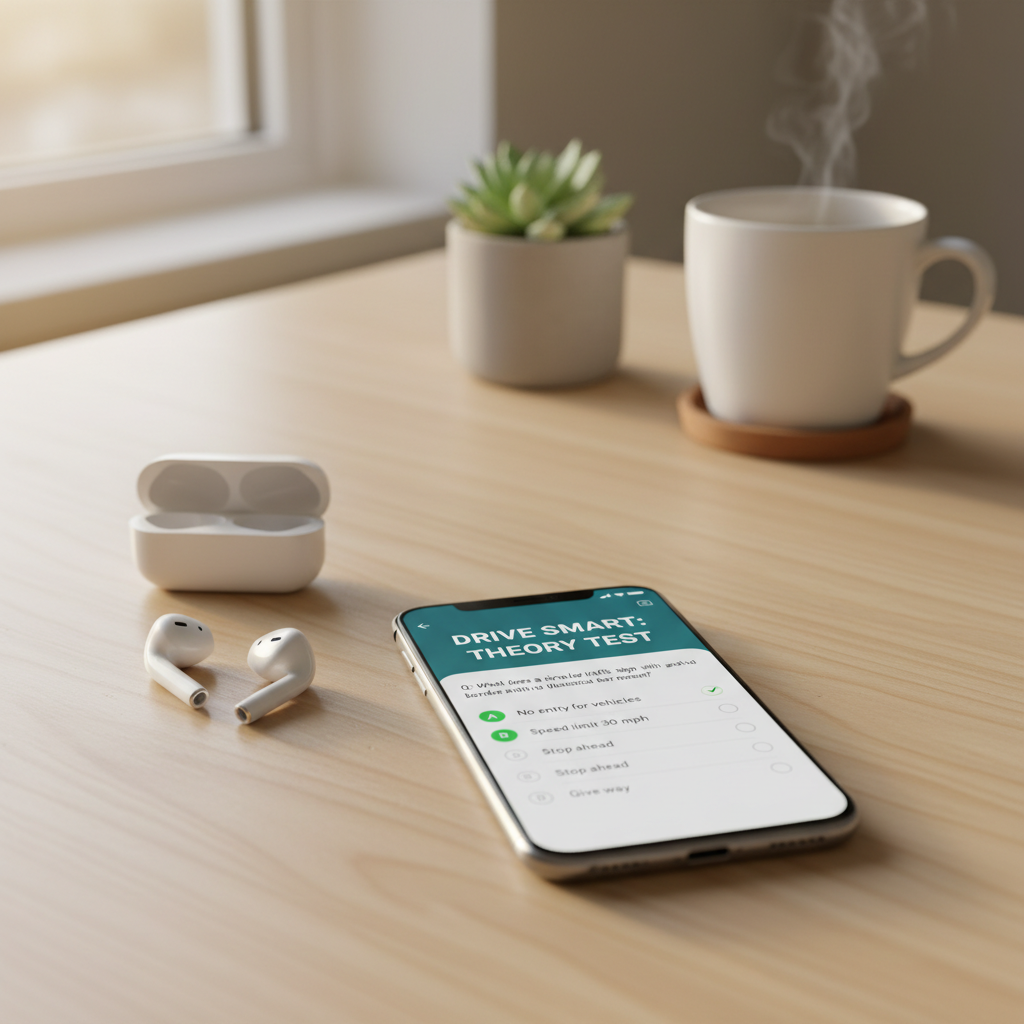
Preparing for the Spanish DGT theory test as an English speaker is a unique challenge. You need to master Spanish traffic law, learn unfamiliar road signs, and understand driving rules that may differ significantly from what you are used to back home. The right practice app can transform this daunting task into a manageable study routine. The wrong one can leave you memorizing outdated questions with poor translations, setting you up for failure on exam day.
After years of helping English-speaking expats prepare for the Permiso B exam, I have tested every major platform available. In this review, I will break down the best apps and websites for practicing DGT theory questions in English, comparing their features, pricing, translation quality, and overall effectiveness.
What to Look for in a DGT Practice App
Before diving into specific platforms, it helps to understand what separates a good DGT practice tool from a mediocre one. The Spanish theory exam consists of 30 multiple-choice questions drawn from an official DGT question bank, and you need at least 27 correct answers to pass. That tight margin means your study tool needs to be accurate, current, and well-translated.
- Question bank size and coverage: Does the app include all official DGT questions or just a subset?
- Translation quality: Are the English translations natural and accurate, or are they machine-translated with errors?
- Update frequency: Does the platform keep pace with DGT question bank changes and regulation updates?
- Explanation depth: Does the app explain why each answer is correct, or does it just show results?
- Exam simulation: Can you take timed mock exams that replicate the real test format?
- Progress tracking: Does the app identify your weak areas and help you focus your study time?
- Accessibility: Is it available on mobile, web, or both?
SpanishDrivingTest.com: Built for English Speakers from the Ground Up
SpanishDrivingTest.com takes a fundamentally different approach from other platforms. Rather than translating a Spanish product into English as an afterthought, it was designed specifically for English-speaking expats from day one. This distinction matters more than you might expect, because it affects everything from the way questions are worded to the way explanations are structured.
The platform covers the full DGT question bank with professionally crafted English translations that read naturally rather than feeling like they were run through Google Translate. Each question includes an AI-powered explanation that breaks down not just the correct answer, but why the other options are wrong and how the underlying rule applies in real driving situations.
- Full DGT question bank with human-quality English translations
- AI-powered explanations for every question, not just correct answers
- Timed mock exams replicating the real 30-question, 30-minute format
- Progress tracking that identifies weak topics and adapts your study plan
- Works on any device through a responsive web interface
- Regular updates to match DGT question bank changes
- Designed specifically for the expat audience, with context about how Spanish rules differ from other countries
Disclosure: SpanishDrivingTest.com is our own platform. We built it because we saw a gap in the market for a truly English-first DGT study tool. That said, this review aims to be honest about all platforms, including our own limitations.

PracticaTest: The Spanish Market Leader
PracticaTest (practicatest.com) is arguably the most well-known driving test preparation platform in Spain. It is widely used by Spanish autoescuelas and has built a massive question bank over many years. The platform does offer an English language option, which makes it accessible to expats who want to tap into the same resource that Spanish learners use.
The main strength of PracticaTest is its comprehensive question coverage and its close alignment with the actual DGT exam format. Many driving schools in Spain use PracticaTest as their primary study tool, and the platform benefits from that ecosystem with regular updates and a large user community.
However, as an English speaker, you will notice that PracticaTest was built for a Spanish audience first. The English translations, while functional, can sometimes feel awkward or confusing. Technical terms may be translated literally rather than using the English equivalent that would make sense to a native speaker. The explanations are also primarily written for a Spanish context, which means some of the cultural and regulatory background that English speakers need is missing.
- Pros: Massive question bank, trusted by Spanish driving schools, regular updates, exam simulation mode
- Cons: English is a secondary language option, translations can be literal and awkward, explanations lack context for non-Spanish speakers
- Pricing: Free tier with limited questions, premium subscription for full access
- Best for: Learners who want the most questions possible and can work around occasional translation issues
TodoTest and Autoescuela.net: Solid Spanish Alternatives
TodoTest and Autoescuela.net are two other popular Spanish platforms that offer practice tests. Both have large question banks and are used by many Spanish learners. Like PracticaTest, they were designed primarily for Spanish speakers and offer English as an additional language option.
TodoTest provides a clean interface and good question coverage, though its English translations tend to be more machine-like than PracticaTest. The platform offers both free and premium tiers, with the free version giving you a reasonable number of questions to start with. Autoescuela.net follows a similar model but is more tightly integrated with specific driving school networks.
The main limitation with both platforms for English speakers is the same: they were not designed with you in mind. The translations serve as an aid to help you understand the Spanish questions rather than as a polished English-language learning experience. If you are comfortable with this approach and want additional question pools to complement your primary study tool, they can be useful supplements.
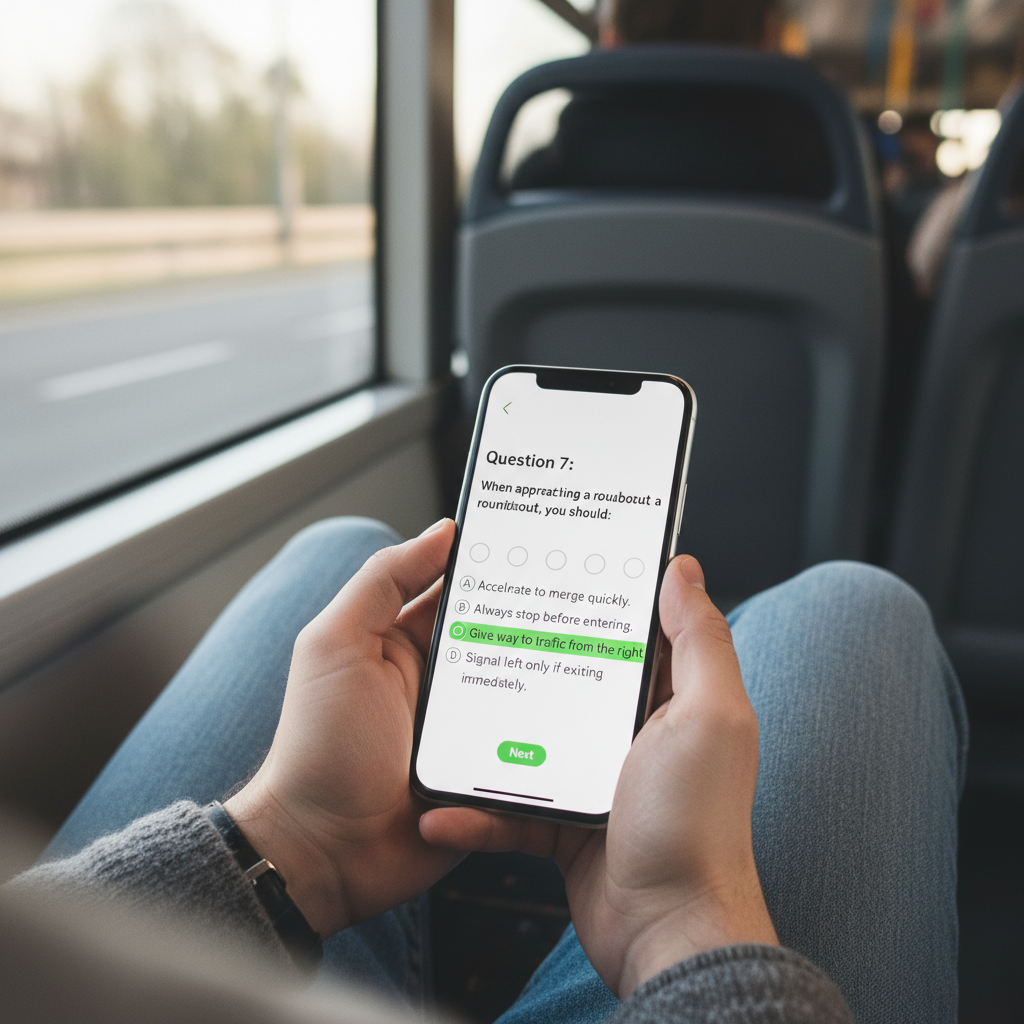
Feature Comparison: Side by Side
To help you make a decision, here is how the main platforms stack up across the features that matter most for English-speaking test takers.
Translation Quality
SpanishDrivingTest.com leads in translation quality because its content was written for English speakers from the start. PracticaTest offers serviceable translations that get the job done but occasionally trip up on technical terms. TodoTest and Autoescuela.net have more noticeable translation artifacts. If you find yourself re-reading questions multiple times to understand what they are asking, poor translation quality is costing you study time and creating unnecessary confusion.
AI Explanations vs Static Answers
One of the biggest differentiators in modern study apps is the quality of explanations. SpanishDrivingTest.com uses AI-powered explanations that provide context, relate rules to real-world situations, and explain the reasoning behind correct answers. PracticaTest offers static explanations that are generally accurate but briefer. The smaller platforms typically provide minimal or no explanations beyond showing the correct answer.
Question Bank Size
PracticaTest has the largest raw question bank, built over many years of operation. SpanishDrivingTest.com covers the full official DGT question bank, which is what actually matters for exam preparation since your test questions will be drawn from this official pool. TodoTest and Autoescuela.net also cover the official questions but may lag behind on newly added ones.
Free vs Paid: What Is the Real Cost of Preparation?
Most platforms offer some form of free access, but the question is whether free access gives you enough to pass the exam. In my experience, free tiers typically provide 10 to 20 percent of the full question bank, which is not sufficient for thorough preparation. The DGT exam draws from a pool of thousands of questions, and encountering an unfamiliar question on test day because you only studied a limited free set is a real risk.
The exam fee alone costs around 95 euros, and failing means paying it again plus waiting weeks for a new appointment. A monthly subscription to a quality study platform is a fraction of that cost and dramatically increases your chances of passing on the first attempt.
Premium subscriptions across the major platforms typically range from 10 to 30 euros per month. Given that most people need one to three months of preparation, the total investment is modest compared to the cost of retaking the exam. My recommendation is to use free tiers to explore different platforms and find the one that clicks with your learning style, then commit to a paid plan for serious preparation.
Recommendations by Learner Type
Different learners have different needs, so there is no single best platform for everyone. Here are my recommendations based on common learner profiles.
- Complete beginners with no Spanish: Start with SpanishDrivingTest.com for its English-first approach and detailed AI explanations that build understanding from the ground up.
- Learners with some Spanish who want maximum questions: PracticaTest offers the largest question bank and is the industry standard in Spain. The Spanish interface can even help you practice the language.
- Budget-conscious learners: Use free tiers from multiple platforms to cover more questions, then invest in a paid plan for the final month of preparation.
- Visual learners: Look for platforms with good image-based questions and road sign coverage. SpanishDrivingTest.com and PracticaTest both handle visual questions well.
- Last-minute crammers: Focus on timed mock exams on SpanishDrivingTest.com or PracticaTest to simulate real test pressure and identify weak spots quickly.

The Best Strategy: Combine Your Resources
After helping hundreds of expats pass the DGT theory test, the pattern I see among successful candidates is consistent: they do not rely on a single app. The most effective approach is to choose one primary platform for structured daily study and supplement it with one or two additional resources for extra practice and different perspectives.
Start with a platform that offers strong English support and clear explanations, like SpanishDrivingTest.com, as your foundation. Once you have a solid understanding of the material, use PracticaTest or TodoTest for additional question exposure. This combination gives you both the comprehension depth you need as an English speaker and the breadth of practice that builds exam confidence.
Whatever platform you choose, consistency matters more than which specific app you use. Thirty minutes of focused daily practice over six to eight weeks will prepare most people for the exam. The technology is there to help you, but the commitment has to come from you.